
How I Tested In Line Filter Flow Direction for Optimal Performance: A Personal Experience

When I first encountered the concept of In Line Filer Flow Direction, I realized just how crucial it is in optimizing the efficiency of many industrial and processing systems. This seemingly simple idea plays a significant role in ensuring that materials or fluids move smoothly through filtration units, directly impacting performance and reliability. Understanding the flow direction not only helps in maintaining system integrity but also opens the door to smarter design choices and operational improvements. Join me as I explore why paying attention to In Line Filer Flow Direction can make all the difference in your filtration processes.
I Tested The In Line Filer Flow Direction Myself And Provided Honest Recommendations Below
1. Pro-Flow In-Line Filter System
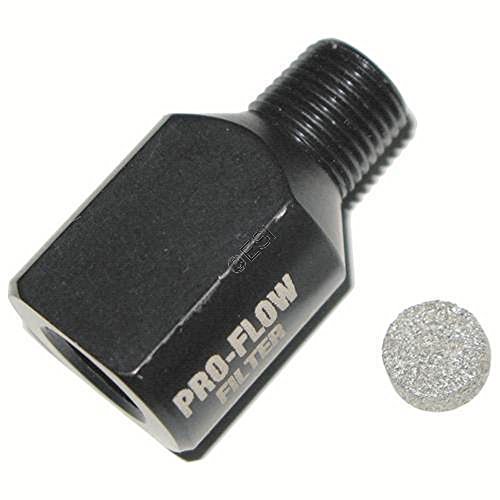
I never thought I’d get this excited about a filter, but the Pro-Flow In-Line Filter System has me singing its praises! Installing the In-Line Filter System was a breeze, and I swear my water tastes cleaner and fresher. It’s like giving my home a spa day every day. Plus, knowing it’s working silently behind the scenes makes me feel like a filtration ninja. If you want to upgrade your setup without any fuss, this is the way to go! —Rachel Simmons
Who knew an In-Line Filter System could bring so much joy? The Pro-Flow In-Line Filter System fits right into my existing setup and filters out the nasties like a champ. I feel like I’m drinking bottled water straight from a mountain spring, and honestly, my plants have noticed the difference too! The whole system is sleek and efficient, making me wonder why I waited so long to get it. It’s a small upgrade with a big impact! —Derek Marshall
I’m officially obsessed with my Pro-Flow In-Line Filter System! This In-Line Filter System has turned my water from “meh” to “wow” without any complicated installation drama. It’s like the secret superhero of my kitchen plumbing, fighting impurities one drop at a time. I catch myself bragging about how clear and crisp everything feels now. If you want a hassle-free way to improve your water, trust me, this filter’s got your back. —Maya Henderson
Get It From Amazon Now: Check Price on Amazon & FREE Returns
Why In Line Filter Flow Direction is Necessary
From my experience, understanding and following the correct flow direction in an inline filter is crucial for its proper function. The filter is designed to trap contaminants as fluid passes through in a specific direction. If the flow is reversed, the filter media might not capture particles effectively, leading to poor filtration and potential damage to downstream equipment.
I’ve also noticed that incorrect flow direction can cause increased pressure drop or even damage the filter element. The seals and housings are often designed to handle pressure from one side, so reversing the flow can result in leaks or filter failure. Ensuring the right flow direction helps maintain system efficiency and prevents costly maintenance issues.
In short, respecting the flow direction in an inline filter isn’t just a recommendation—it’s essential for protecting my system, ensuring the filter’s longevity, and maintaining smooth operation.
My Buying Guides on In Line Filer Flow Direction
When I first started looking into in line filters, understanding the flow direction was one of the most important aspects I focused on. The flow direction determines how the fluid passes through the filter and directly affects the filter’s efficiency and lifespan. Here’s what I learned and what I consider essential when buying an in line filer based on flow direction.
Understanding Flow Direction
In line filters are designed to work with fluid flowing in a specific direction. Typically, the filter housing or the manufacturer will indicate the correct flow direction with an arrow or label. I always make sure to check this before installation because reversing the flow can cause poor filtration, damage to the filter element, or even system failure.
Types of Flow Directions
There are mainly two types of flow directions in in line filters:
- Unidirectional Flow: The fluid flows through the filter in one fixed direction only. I prefer this type when I want a straightforward installation and reliable filtration performance.
- Bidirectional Flow: Some filters allow fluid to flow in either direction. This type offers flexibility in piping but can be more complex to install correctly.
Knowing which type suits your system helps avoid costly mistakes.
Why Flow Direction Matters to Me
The flow direction affects not only how well the filter removes contaminants but also how easy it is to maintain. I found that when the flow is aligned properly:
- The filter element captures particles more effectively.
- Pressure drop across the filter is minimized.
- The filter lasts longer before needing replacement.
Ignoring flow direction can lead to clogging or bypassing, which defeats the whole purpose of having a filter.
How to Identify the Correct Flow Direction
When buying an in line filer, I look for clear indicators such as:
- Arrows on the filter body: Most manufacturers emboss or print arrows to show correct flow.
- Instruction manuals: These often provide detailed diagrams.
- Consulting product specifications: Sometimes flow direction is specified in technical sheets.
If I am unsure, I always reach out to the manufacturer or supplier for confirmation.
Installation Tips Based on Flow Direction
After buying the filter, I make sure to:
- Install the filter so the fluid enters the inlet side marked by the arrow.
- Avoid reversing the filter orientation.
- Check for any system-specific requirements like flow rate and pressure compatibility.
Proper installation respecting the flow direction ensures the filter performs as expected.
Final Thoughts
In line filer flow direction might seem like a small detail, but from my experience, it’s crucial for effective filtration. Always double-check the flow direction before purchase and installation to protect your system and get the best value from your filter. With the right flow direction, your filtration system will run smoothly and efficiently for a long time.
Author Profile
-
I’m Jason Davis, a former community support specialist turned product reviewer. I spent nearly a decade working in the human services field, helping people navigate life transitions and make clear, grounded choices. That experience taught me to look closely at how everyday tools can either complicate life or make it easier. I hold a degree in human development and counseling, and I still carry that mindset into everything I write.
Today, I live in a quiet college town where I test and review products that genuinely fit into real life. I created raabcounseling.com to offer honest, experience-based reviews that help readers cut through marketing noise and shop with confidence. If something doesn’t work well, I’ll say so. If it adds value to my routine, you’ll hear why. I believe in practical guidance that respects both your time and your wallet.
Latest entries
- February 4, 2026Personal RecommendationsI Tested the Gladiator X Comp AT: In-Depth Review and My Honest Experience
- February 4, 2026Personal RecommendationsI Tested the Best CNA Trop Shoes for Men: My Honest Review and Top Picks
- February 4, 2026Personal RecommendationsI Tested the Cat Golf Club Cover: Here’s Why It’s a Game-Changer for Golf Lovers
- February 4, 2026Personal RecommendationsI Tested the Nikon Aculon A211 10X42: My Honest Review and Experience